


 Daniel.Ding
 Ding
Ding
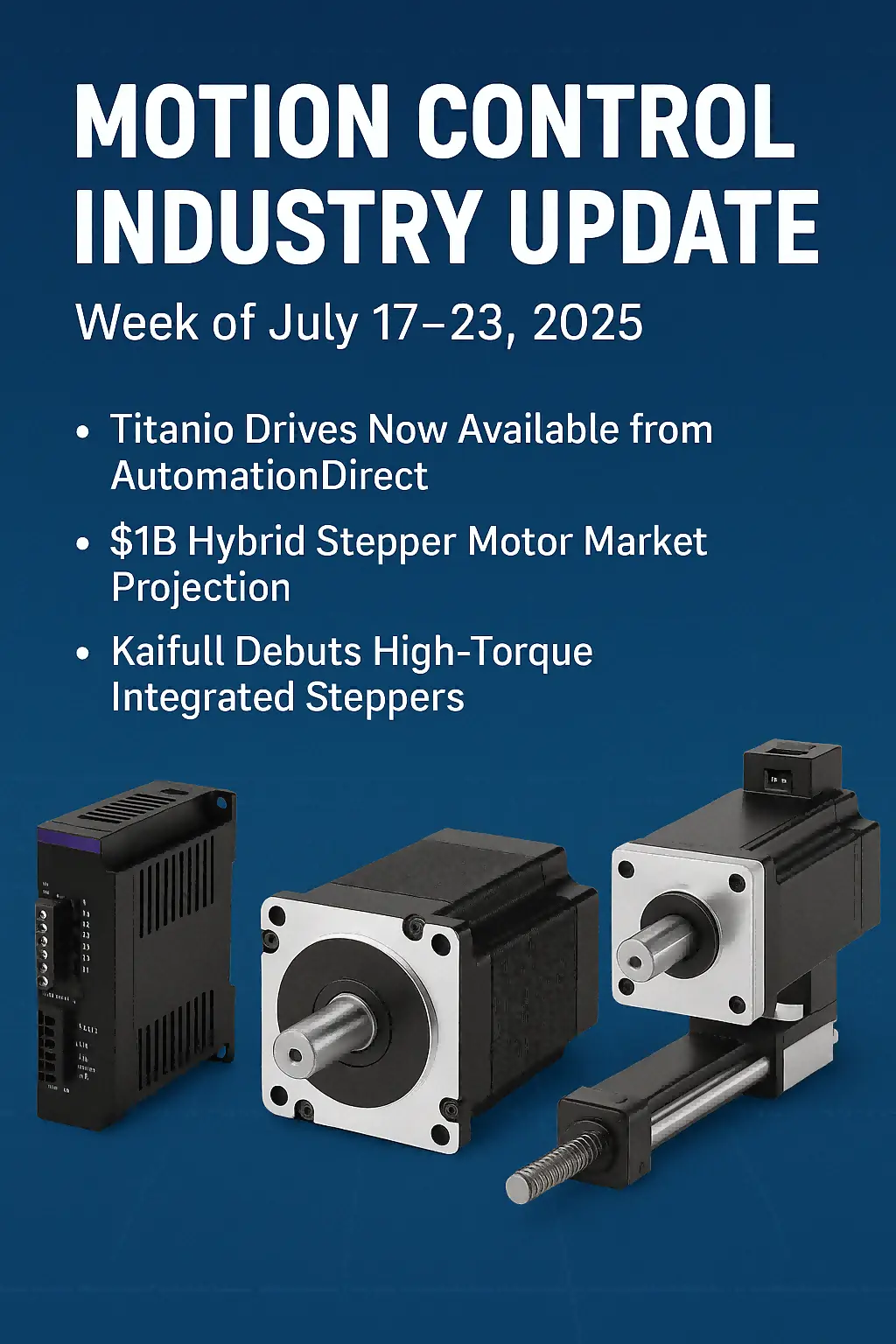

What is a stepper motor best used for?
Stepper Motors are widely recognized for their precision and reliability in many applications that require controlled and repetitive movement. Unlike traditional DC motors, which provide continuous rotation, stepper motors move in discrete steps, making them ideal for tasks that demand high accuracy and control. Below, we explore the most common and effective uses of stepper motors across various industries.
1. 3D Printing
One of the most prominent applications of stepper motors is in 3D printers. 3D printing requires precise control over the movement of the print head and the print bed. Stepper motors provide the accuracy and repeatability needed to build layer upon layer of material with fine detail.
Why Stepper Motors Are Ideal:
- They allow for fine control over movement in three dimensions.
- Their ability to achieve exact steps per rotation ensures a high degree of accuracy.
- Stepper motors maintain precision without the need for complex feedback systems.
2. CNC machines
Computer Numerical Control (CNC) machines, which are used for precise cutting, milling, and drilling, rely heavily on stepper motors. The repetitive and accurate movements required for these operations are well-suited for the step-by-step rotation provided by stepper motors.
Benefits for CNC Applications:
- High torque at low speeds.
- Open-Loop Control capabilities (no need for additional feedback systems).
- Ability to handle intricate, fine movements for detailed machining.
Stepper motors allow CNC machines to cut with extreme precision, making them indispensable in industries like automotive, aerospace, and electronics.
3. Robotics
Robots, especially those involved in industrial automation, use stepper motors for precise movement and positioning. Whether it's a robotic arm performing assembly tasks or a mobile robot navigating a defined path, stepper motors ensure accuracy and repeatability in every movement.
Key Robotics Applications:
- Pick-and-place operations.
- Automated assembly lines.
- Service robots for healthcare or hospitality.
Step-by-step motion control helps robots perform complex tasks with high precision, which is crucial in manufacturing and service industries.
4. Medical Devices
In the medical field, stepper motors are essential for precise control in a variety of diagnostic and therapeutic devices. Their ability to maintain exact positions is critical for patient safety and treatment accuracy.
Medical Equipment Using Stepper Motors:
- MRI and CT scanners (for positioning and imaging components).
- Syringe pumps (for delivering exact doses of medication).
- Dental equipment and surgical robots.
Stepper motors are used in these devices to ensure that every movement is as accurate as possible, minimizing errors in medical procedures.
5. Camera Equipment
Step motors are commonly used in photography and film equipment where precise control over lens movements is essential. Whether it’s autofocus, zoom functions, or image stabilization, stepper motors provide smooth and accurate adjustments.
Applications in Photography:
- Autofocus systems in digital cameras.
- Pan-and-tilt mechanisms in gimbals.
- Zoom lenses for both professional and consumer cameras.
The ability to control focus, zoom, and stabilization precisely makes stepper motors ideal for cameras used in both photography and filmmaking.
6. Automated Manufacturing
Automated manufacturing systems often incorporate stepper motors in conveyor belts, robotic arms, and other automated tools. The need for precise, repeated actions in assembly lines makes stepper motors perfect for the job.
Uses in Manufacturing:
- Conveyor belts with precise speed control.
- Automated part positioning.
- Packaging and labeling machines.
Stepper motors help streamline production processes, improving efficiency and reducing errors.
7. Home Automation Systems
Stepper motors are increasingly used in home automation systems, particularly for controlling window blinds, smart locks, and other household items. Their ability to control precise movements at low speeds makes them ideal for these applications.
Home Automation Applications:
- Motorized curtains and blinds.
- Smart locks and security devices.
- Automated lighting systems.
In home automation, stepper motors provide the precision and reliability necessary for convenient and efficient control of household systems.
Conclusion
Stepper motors are best used in applications requiring precision, repeatability, and controlled movement. From 3D printing to robotics and medical devices, their versatility makes them a go-to choice for industries that demand accuracy. Understanding their unique advantages allows engineers and designers to leverage their capabilities effectively, ensuring optimal performance in various fields.