How to Use a Stepper System for Improved Performance and Efficiency?
In today's fast-paced environment, businesses seek enhanced performance and efficiency. One solution that has gained traction is the Stepper System. This system, often found in manufacturing and automation, offers precise control and reliability. It allows machines to operate with accuracy, reducing waste and errors.
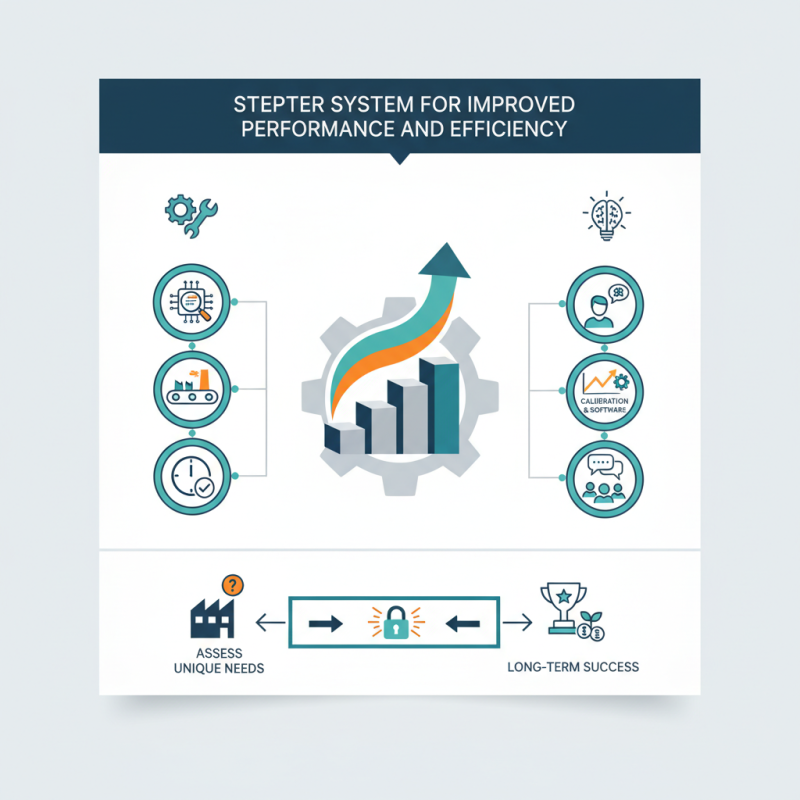
Implementing a Stepper System can significantly improve operations. However, it requires an understanding of its mechanics. Not every company will achieve immediate success with this system. Challenges may arise during the transition. Some may struggle with calibration or understanding the software involved. Reflecting on these hurdles is essential for continuous improvement.
While the Stepper System can boost productivity, it is not a one-size-fits-all solution. Companies must assess their unique needs and capabilities. Gathering feedback from employees using the system can inform necessary adjustments. In this way, businesses can unlock the full potential of Stepper Systems, ensuring long-term success.
Understanding the Basics of Stepper Systems in Performance Optimization
Stepper systems are increasingly recognized for their effectiveness in optimizing performance across various industries. These systems convert rotary motion into linear motion through precise control mechanisms. They offer high torque at low speeds, which contributes to improved accuracy and efficiency. According to a report by the International Society of Automation, incorporating stepper systems can enhance operational efficiency by up to 30% in manufacturing applications. This impressive statistic highlights the importance of understanding how stepper systems work.
The core principle of stepper systems lies in their controllability. They operate using discrete steps, allowing for fine adjustments in motion. This precision is crucial in applications like robotics and automation.
However, there are challenges that users should consider. For example, stepper motors can struggle with high-speed operation. These limitations can lead to resonance issues, causing undesirable vibrations. Addressing these concerns requires careful tuning and system design adjustments to maintain performance standards. Understanding these dynamics is essential for leveraging the full potential of stepper systems, ensuring they deliver the promised improvements.
Components and Mechanisms of Stepper Systems for Efficiency Gains
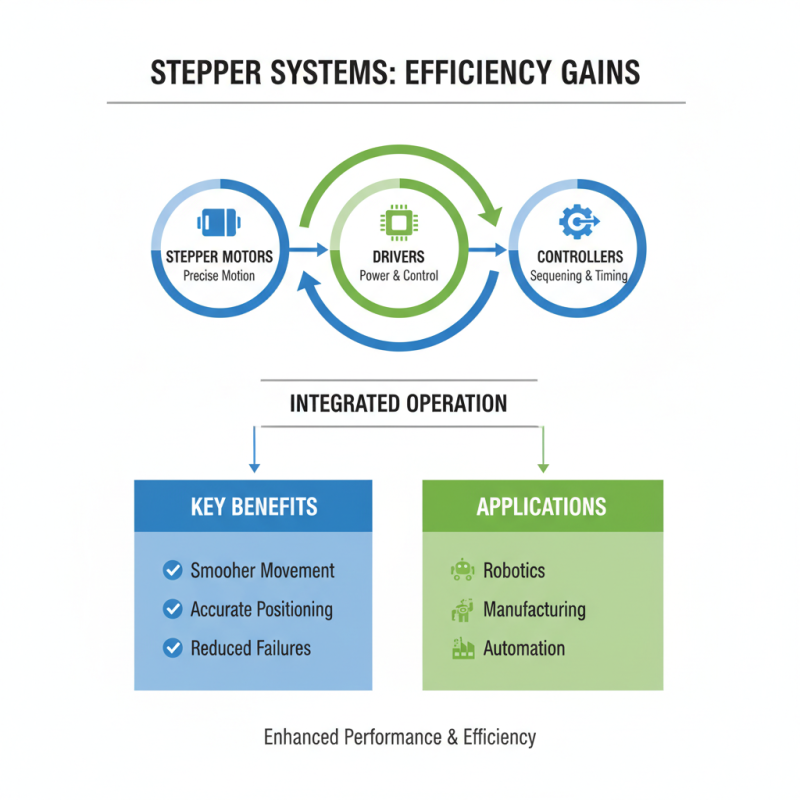
Stepper systems are integral to enhancing performance and efficiency in various applications. They consist of critical components such as stepper motors, drivers, and controllers. These parts work together to create precise movement and positioning, crucial in fields like robotics and manufacturing. Proper integration of these components allows for smoother operation and reduces the chances of mechanical failures.
**Tips:** Regularly inspect components. Look for wear and tear. Replace faulty parts immediately.
Stepper motors convert electrical pulses into precise rotational movements. They function through discrete steps, ensuring accurate control. Drivers amplify electrical signals to regulate motor performance effectively. Understanding the mechanics behind these systems helps users maximize efficiency. However, improper configurations can lead to system lag and increased wear.
**Tips:** Test configurations before full deployment. Monitor performance regularly. Adjust settings as needed for optimal results.
Knowledge of each component’s role enables engineers to design more efficient systems. Yet, even small miscalculations in setup can lead to significant loss in productivity. It is essential to learn from these experiences to enhance future designs.
Implementing Stepper Systems in Various Industries: A Guide
Implementing stepper systems in industries such as manufacturing, healthcare, and transportation can revolutionize operations. By utilizing precise control mechanisms, these systems enhance accuracy and speed. In manufacturing, for example, applications range from automated assembly lines to robotic positioning. This precision not only increases production rates but also minimizes errors, which can lead to significant cost savings.
In healthcare, stepper systems can improve medical equipment performance. Devices that rely on precise movements, like surgical robots, benefit significantly from stepper technology. However, the integration process can pose challenges. Training staff to operate and maintain these systems requires time and resources. Proper implementation must also consider compatibility with existing technologies, which isn’t always straightforward.
Transportation can also see gains through stepper systems. Autonomous vehicles can utilize them for navigation and control, enhancing safety and efficiency. Yet, the performance of these systems can be influenced by environmental factors. As industries adopt stepper systems, they must address these variables. Continuous improvement and adaptation remain essential for maximizing their potential and achieving reliable outcomes.
How to Use a Stepper System for Improved Performance and Efficiency? - Implementing Stepper Systems in Various Industries: A Guide
| Industry |
Application |
Performance Improvement (%) |
Efficiency Increase (%) |
Additional Benefits |
| Manufacturing |
Automated Assembly Lines |
25 |
30 |
Reduced labor costs |
| Aerospace |
Precision Component Crafting |
20 |
35 |
Enhances safety and reliability |
| Robotics |
Robotic Arm Control |
30 |
40 |
Increased task precision |
| Food Processing |
Ingredient Dispensing |
15 |
20 |
Consistency in product quality |
| Textile |
Automated Weaving Machines |
18 |
25 |
Less fabric waste |
Best Practices for Maintenance and Troubleshooting of Stepper Systems
Stepper systems are vital in various industries, offering precision and control. However, maintaining and troubleshooting these systems is crucial for optimal performance. Regular inspections are essential. According to a report by the International Society of Automation, 70% of mechanical failures stem from poor maintenance practices. Check for wear and tear on components. Dirt and contaminants can lead to significant malfunctions.
Lubrication plays a key role in keeping stepper motors functioning. Neglecting to lubricate can cause overheating. A study by the Robotics Industry Association indicates that proper lubrication increases system efficiency by up to 15%. Monitor temperature levels regularly. Anomalies can indicate underlying issues.
Calibration is another important aspect. Misalignment can hinder performance. A survey found that 60% of operators fail to recalibrate after adjustments. This oversight can lead to inconsistent results. Documenting maintenance activities is also critical. Record any anomalies and resolutions to build a reliable reference. This practice encourages reflection and continuous improvement in troubleshooting strategies.
Measuring and Analyzing Performance Improvements with Stepper Systems
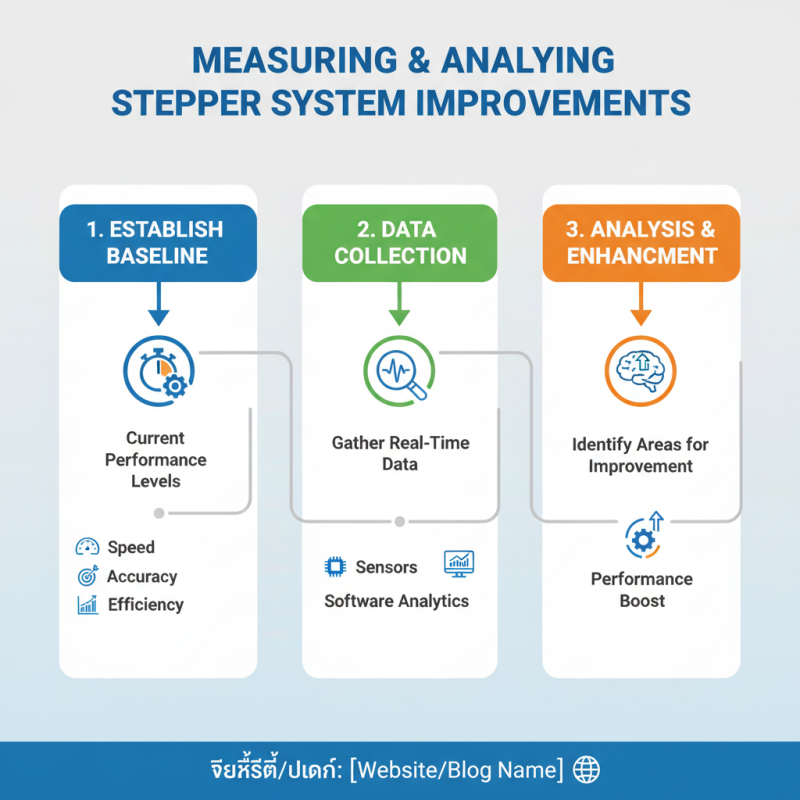
Measuring and analyzing performance improvements with a stepper system requires careful observation and data collection. Begin by establishing baseline metrics to understand your current performance levels. This includes measuring speed, accuracy, and overall efficiency. Use tools such as sensors and software analytics to gather real-time data. This information will help identify areas needing enhancement.
Once the data is collected, analyze it regularly. Look for patterns that indicate improvement or decline. For instance, if overall output increases but error rates remain high, this indicates a need for further training on the stepper system. Reflecting on these observations can lead to better operational strategies. Gathering feedback from team members who operate the system can also provide insights into system usability and potential issues.
Moreover, it's essential to recognize imperfections in the process. Not all enhancements will be immediately apparent. Sometimes, the data may show a plateau instead of growth. This reality can be frustrating. However, it serves as a valuable opportunity for deeper analysis. Acknowledging these setbacks leads to a more robust understanding of the system. It encourages ongoing experimentation with different approaches. Ultimately, a commitment to continuous measurement and adaptation will yield the best performance results.



 Daniel.Ding
 Ding
Ding