Why is Motion Control Essential for Modern Automation Solutions?
In today's fast-paced industrial landscape, Motion Control plays a vital role in automation solutions. This technology enhances precision and efficiency in various applications. As industries evolve, the need for reliable and accurate motion systems becomes increasingly important.
Consider robotics. Motion Control systems allow robots to perform intricate tasks with remarkable speed. They can adapt to different production lines, improving flexibility. However, not all Motion Control solutions meet the demands of modern automation. Some systems may struggle under complex conditions, leading to inefficiencies. This highlights the need for careful selection and implementation of Motion Control technologies.
Moreover, Motion Control is not only about machinery. It encompasses software, sensors, and feedback systems. Each component must work seamlessly together. Sometimes, companies invest in high-end systems but overlook the integration aspect. This can diminish overall performance. Thus, understanding the intricacies of Motion Control is essential for optimizing automation solutions, ensuring that they meet the rigorous requirements of today’s industries.
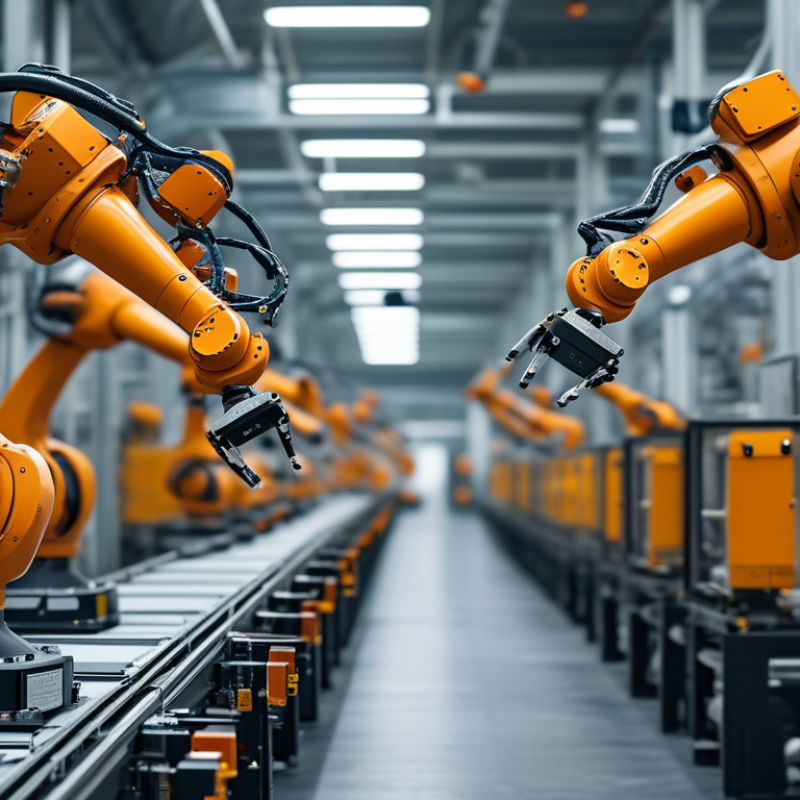
The Definition and Role of Motion Control in Automation Systems
Motion control is a critical component in the automation landscape. It refers to the technology used to control the movement of machinery and systems. This technology plays a vital role in enhancing precision and efficiency. According to a recent study by the International Federation of Robotics, over 80% of modern automation systems incorporate some form of motion control. This indicates its importance in achieving optimal performance.
Automation systems rely on motion control to execute tasks with accuracy. These systems often use servos and actuators to manage movement. For instance, in manufacturing, motion control helps in assembling parts with minimal error. A report from MarketsandMarkets states that the global motion control market is expected to grow to $25 billion by 2025. This growth highlights its increasing relevance in various industries, such as automotive and electronics.
However, challenges remain. Many systems face limitations in integration and scalability. Not all motion control solutions are compatible with existing automation frameworks. This lack of interoperability can hinder productivity. Additionally, the complexity of these systems may require specialized knowledge, which can be a barrier for small manufacturers. Addressing these issues is essential for maximizing the benefits of motion control in the automation sector.
Motion Control in Modern Automation Solutions
This chart illustrates the importance levels of key factors influenced by motion control in modern automation solutions. The data reflects how critical each aspect is for optimizing automation systems.
Key Components of Motion Control Technologies and Their Functions
Motion control is a cornerstone of modern automation systems. At its heart are several key components that drive precision and efficiency. Servomotors, for instance, provide high torque and accurate positioning. They maintain control over movement in robotic arms and conveyor systems. Feedback devices, like encoders, ensure that systems can correct deviations in real-time. These components work together, creating a reliable automation framework.
Controllers play a crucial role in motion control. They process data from feedback devices and send commands to motors. The choice of control algorithms can significantly affect performance. Simple systems may function well with open-loop controls, but complex operations require closed-loop systems for optimal results. It's important to consider your application needs when selecting control strategies. While integrating these technologies can be straightforward, achieving complete synchronization may present challenges.
Integration of motion control technologies isn't always smooth. Issues like mechanical wear can impact performance over time. Regular maintenance is essential to mitigate these risks. Understanding the interaction between components can also lead to better decision-making in system design. Each component must be compatible for the system to function seamlessly. Thus, attention to detail during the design phase pays off in the long run.
Why is Motion Control Essential for Modern Automation Solutions? - Key Components of Motion Control Technologies and Their Functions
| Component |
Function |
Application |
| Servo Motors |
Precise control of angular position, velocity, and acceleration. |
Robotics, CNC machines. |
| Motion Controllers |
Coordinate the actions of motors and other devices for synchronized motion. |
Automated assembly lines. |
| Linear Actuators |
Convert rotational motion into linear motion. |
Packaging machinery, material handling. |
| Encoders |
Provide feedback on position, speed, and direction of moving parts. |
Robotic arms, conveyor systems. |
| Power Amplifiers |
Boost the power of control signals to drive motors. |
Robotics, industrial machinery. |
Applications of Motion Control in Various Industries and Sectors
Motion control plays a pivotal role across various industries, shaping how machines interact with their environment. In manufacturing, it enhances precision and efficiency. A report from the International Federation of Robotics indicates that automated solutions can boost productivity by up to 30% in assembly lines alone.
In the automotive industry, motion control is vital for robotic arms used in painting and welding. According to research, automotive assembly lines that utilize advanced motion control systems report a reduction in human error by 25%. Such data underscores the importance of reliable motion control in maintaining high safety and quality standards.
As industries evolve, exploring new applications is essential. For logistics, motion control technologies optimize warehouse automation and inventory management. Automated guided vehicles (AGVs) equipped with motion control systems enhance throughput rates by 40%.
Keep in mind the importance of testing and adapting motion control solutions. Every industry has unique challenges, and what works for one may not for another. Continuous assessment helps refine processes and improves overall performance. Embrace a culture of innovation, but remember that implementing new technologies can also reveal gaps in current operations. Evaluate these areas carefully for sustained improvement.
Benefits of Implementing Motion Control in Modern Automation Solutions
Motion control is a critical component of modern automation. It enhances precision and efficiency, directly impacting productivity. The ability to control speed, position, and torque is crucial in various applications, from robotics to conveyor systems. By implementing motion control, businesses can achieve higher accuracy in manufacturing processes, reducing waste and errors.
When integrating motion control, it’s important to consider your specific needs. Different systems may suit various applications better. Evaluate your current processes and identify bottlenecks. This insight helps in selecting the right motion control system. Flexibility in design can adapt to changing demands. This adaptability saves time and resources in the long run.
Collaboration with motion control experts can provide deeper insights. Their expertise can help streamline implementation and maintenance. An experienced partner can guide businesses through common pitfalls. They can also offer valuable advice on programming and system integration. Use knowledge from past implementations to avoid similar challenges. Reinventing the wheel rarely leads to success. Instead, build on established practices and tailor them to your needs.
Future Trends and Innovations in Motion Control Technologies
The landscape of motion control technologies is evolving rapidly. Emerging trends point towards smarter systems that integrate artificial intelligence and machine learning. According to the latest report from the International Federation of Robotics, the global motion control market is projected to reach $32 billion by 2025. This growth highlights the increasing reliance on automation across industries. Companies are seeking precision, efficiency, and adaptability in their processes, driving innovation in motion control.
Current innovations include advanced servo drives and motion control software. These advancements enable real-time data processing and enhanced responsiveness. For example, studies show that industries employing predictive maintenance can reduce downtime by up to 30%. However, as technologies become more sophisticated, there are challenges. Cybersecurity risks and integration complexities are rising. Organizations must consider these factors when implementing new solutions. Balancing innovation with security is key to future success in automation.
Motion control is also adapting to the rise of flexible manufacturing systems. The need for customization is growing. In a fast-paced market, companies require systems that can easily accommodate changes. Yet, designing for adaptability can lead to oversights in standardization. This balancing act represents a critical area for reflection in future designs. Addressing these concerns will be essential for harnessing the full potential of motion control technologies.




 Daniel.Ding
 Ding
Ding